Lawn Care Services: Get a Lush, Green Yard All Year Long
Lawn care options provide important skill in keeping a vibrant, green yard throughout the year. These professionals evaluate different factors, such as soil type and local climate, to establish personalized care plans. Their dedication to sustainability and quality equipment enhances both the visual appeal and market value of residential properties. Understanding the nuances of lawn care can lead to educated choices. Yet, many homeowners often overlook critical components that can affect their outdoor space.
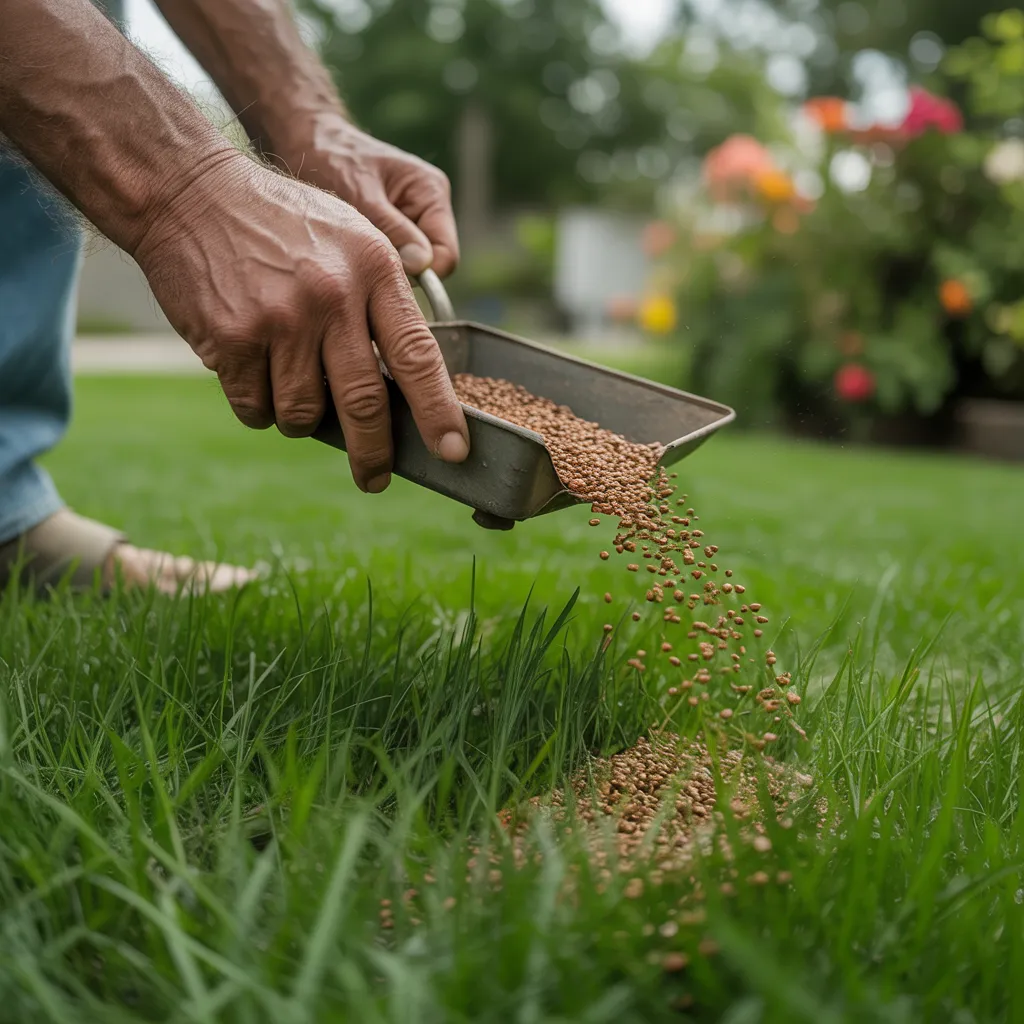
What Benefits Can Professional Lawn Care Provide?
Professional lawn care services provide numerous advantages that enhance both the visual appearance and condition of residential and commercial properties. These solutions provide expert knowledge in grass care, guaranteeing that lawns get the appropriate treatments for optimal development. A properly cared for lawn boosts property worth and establishes a inviting atmosphere, making it crucial for homeowners and businesses alike.
Additionally, professional lawn care provides personalized upkeep strategies that handle specific soil types, grass varieties, and local climate conditions. This individualized approach aids in preventing common issues like pests, weeds, and diseases. Moreover, these programs frequently read the information apply superior machinery and green-focused materials, promoting sustainability while producing impressive results. Ongoing care also protects time and effort for property owners, assisting them in pursuing other priorities. In conclusion, investing in professional lawn care not only enhances a thriving garden but also aids a healthier environment.
In What Way Do Weather Transitions Modify Lawn Care Needs?
Periodic changes greatly influence lawn care practices. Fluctuations in temperature and rainfall patterns directly influence grass development and upkeep needs. Furthermore, proper lawn care requires customized fertilization strategies to align with these seasonal shifts.
Temperature Variations Impact Growth
As temperatures vary throughout the year, the development cycles of grass and other plants in lawns are considerably affected. In spring, warmer temperatures encourage growth, encouraging grass to green up and thrive. Conversely, summer heat can lead to stress, causing some grass types to enter dormancy, producing a brownish appearance. During autumn, cooler temperatures allow for rejuvenation and growth before winter dormancy sets in. Winter's low temperatures halt growth altogether, requiring careful observation to prevent damage from frost. Understanding these temperature variations is essential for effective lawn care, as they determine appropriate fertilization, watering, and mowing practices. By adapting to seasonal changes, homeowners can maintain a vibrant, healthy lawn year-round.
Rain Patterns and Preservation
While rainfall patterns greatly influence grass maintenance, grasping their fluctuations is important for ideal maintenance. Different seasons bring varying rainfall amounts, affecting ground hydration and turf development. In spring, consistent rains can boost quick expansion, necessitating frequent mowing and proper irrigation management. Conversely, summer may bring dry spells, necessitating additional irrigation to avoid drought stress. During fall, fluctuating precipitation can impact organic matter breakdown, impacting nutrient access. Winter poses its own challenges, as frozen ground can restrict moisture intake, making it essential to prepare the lawn before the cold sets in. By adapting maintenance practices to match rainfall variations, homeowners can secure a healthy, vibrant lawn throughout the year.
Seasonal Fertilization Strategies Required
A strategically timed fertilization routine can tremendously enhance lawn condition throughout the year. Weather patterns substantially affect nutrient demands, requiring personalized strategies. In spring, quick-acting fertilizers promote strong growth as the grass breaks dormancy. Late spring could benefit from time-release nutrients to preserve vigor during warmer months.
During summer's peak temperatures, nitrogen-based formulations can enhance the lawn's ability to withstand stress. In fall, a equilibrated nutrient blend gets the lawn ready for winter, promoting root development and nutrient storage. Winter treatments, though rarely used, can promote soil health.
Year-Round Grass Maintenance Services
Year-round lawn care services guarantee that a property remains lush and thriving through every season. These extensive programs encompass a range of essential services, including regular mowing, soil loosening, and weed management, customized to meet the specific needs of different climates and grass types. By establishing a regular routine, lawn care experts can successfully eliminate issues such as pests, diseases, and nutritional lacks that often arise throughout the year.
In spring, services are aimed at fertilization and rejuvenation, while in summer, attention turns to correct watering and pest management. Autumn care involves overseeding and winterizing the lawn, ensuring protection from the cold. During the winter months, dedicated care might include snow removal and guarding the lawn against severe elements. Ultimately, year-round lawn care services offer homeowners reassurance that their outdoor spaces will thrive, boosting the general look and value of the property.
Tips for Selecting the Ideal Lawn Care Program
How can homeowners choose the perfect grass maintenance program for their needs? First, they should evaluate their grass's specific requirements, including dimensions, grass type, and current problems such as insects or fungal conditions. Understanding local climate conditions is also crucial, as it affects the kind of maintenance required throughout the year.
Subsequently, homeowners should review offered options, such as fertilization, weed control, and soil aeration. They might consider a comprehensive package that encompasses all aspects or opt for a more customized approach based on their lawn's particular requirements.
Additionally, reviewing customer reviews and obtaining recommendations can shed light on the reliability and effectiveness of different companies.
At the end, budget constraints should be factored in. Homeowners should seek a plan that maintains balance between quality services and affordability, verifying they receive ideal care without exceeding expenses. This prudent approach will generate a vibrant, healthy lawn year-round.
Preventing Common Grass Maintenance Blunders
Avoiding proper grass maintenance can trigger a host of setbacks that compromise a turf's well-being and aesthetics. One typical problem is watering excessively, which can asphyxiate root systems and advance disease formation. Equally, insufficient moisture can create parched, tan areas. Just as crucial, many homeowners overlook cutting at the proper altitude, which can stress grass blades and enable unwanted plant growth. Utilizing dulled blades worsens this concern, tearing grass leaves instead of making neat cuts.
Another common mistake is applying plant nutrients incorrectly. Over-fertilizing can lead to nutrient runoff and harm local ecosystems. Furthermore, ignoring soil health, such as pH levels and compaction, can hinder lawn development. Finally, overlooking seasonal variations in lawn care needs can stop peak health. By paying attention to these common pitfalls, homeowners can ensure their lawns remain healthy and green throughout the year.
DIY Lawn Upkeep Suggestions Between Specialist Visits
Keeping a healthy lawn requires ongoing care, particularly during the intervals of expert visits. Homeowners can apply several DIY strategies to guarantee their lawns remain flourishing. To begin, regular grass cutting is crucial; trimming grass at the proper level promotes more extensive foundation growth and reduces unwanted plant growth. Furthermore, maintaining honed cutting blades is vital for clean cuts.
Watering techniques also are important. It is advisable to water deeply but occasionally, allowing the soil to absorb moisture while preventing surface runoff. Early morning is the optimal time for watering, lessening evaporation.
Fertilization should be executed prudently. Utilizing slow-release fertilizer can offer essential nutrients without saturating the grass. Homeowners should also observe for pests and diseases, addressing problems immediately to minimize damage.
Conclusively, lawn aeration, especially during growing seasons, supports better air and nutrient penetration, advancing a lush and healthy appearance. Implementing these strategies can greatly enhance lawn health outside of professional service appointments.
Common Questions Asked Often
How Regularly Should I Water My Lawn During Summer?
Summertime lawn care, lawns usually require irrigation 2-3 times per week. Each watering should furnish one inch of water, ensuring roots grow deep while circumventing overwatering that leads to fungal disease.
What Types of Grass Are Best for My Region?
Cool-season grasses like Kentucky bluegrass and fescue excel in northern regions, whereas warm-season varieties including Bermuda and zoysia work best for southern climates. Determining the right type promotes lawn health and resilience.
How Landscaping Companies Can Support With Pest Elimination?
Yes, lawn care services can help with pest control. They provide remedies to manage pests effectively, guaranteeing the health of the lawn while preventing destruction. Professional expertise helps maintain a balanced environment within the yard.
What signals indicate that my lawn requires fertilization?
Indicators that a lawn requires fertilization include yellowing grass, poor growth, and sparse areas. Soil testing can also identify nutrient deficiencies. Examining these factors helps establish the necessity for fertilization to support healthy grass development.
What Devices Do Professional Contractors Operate for Grass Care?
Professionals employ a wide selection of equipment for grass care, including mowers, trimmers, blowers, aerators, and sprayers. Each piece of equipment serves distinct purposes, ensuring effective care and promoting strong growth throughout the seasons.